

Driving digital transformation in finance with secure, scalable and compliant banking and fintech software development solutions.
Why Choose Programming.com
for Finance & Banking Solutions

We combine deep domain expertise with cutting-edge technologies like AI-driven analytics, blockchain-powered transactions and embedded finance to deliver solutions that are secure, scalable, and future-ready. Our platforms are built to meet global compliance standards — including PCI DSS, PSD2, SOC 2, and GDPR
Fintech Software
Development Services
We help you streamline operations, enhance customer experiences and stay ahead of digital transformation trends through our core financial and banking software solutions

1. Mobile Banking App Development
Design and develop secure, feature-rich mobile and web banking applications that deliver seamless customer experiences and drive user engagement.
2. Financial App Development
3. Fintech Platform Development (AI, Blockchain, APIs)
4. Lending, Credit & Wealth Management Platforms
5. Digital Payment & Wallet Solutions
6. Security & Compliance
7. Banking Modernization & Cloud Migration
8. RegTech & Fraud Detection Solutions
Applications We Build
Mobile Banking Apps:
Real-time account updates, bill payments, and funds transfers.
Personal Finance Tools:
Budgeting, savings goals, and expense tracking for better financial control. Digital Wallets: NFC/contactless payments, loyalty integration, and multi-currency support.
Digital Wallets:
NFC/contactless payments, loyalty integration, and multi-currency support.
Investment Apps:
Robo-advisory, trading platforms, and market analytics.
40%+
Higher mobile banking adoption
20%+
Increase in engagement
Case Studies


PepsiCo – Smart Beverage Experience
Benefits

Coldplay + SAP - Greener Tours with AR & Blockchain
Benefits

BMW - Immersive AR Taxi App Suite
Benefits
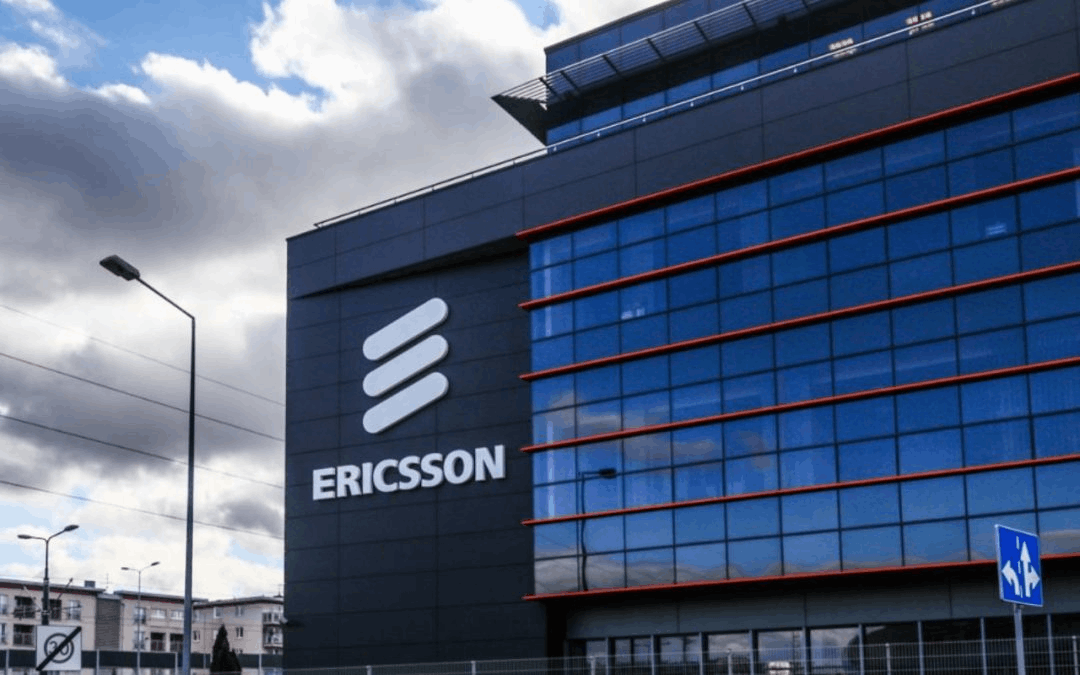
Predictive AI for Network Optimization
Benefits

Recruitment.AI – Smart, Scalable Hiring
Benefits
Technology Integration Powering
Next-Gen Finance Software Solutions
AI & Generative AI
Predictive risk scoring, hyper-personalized customer journeys, and conversational banking assistants for 24/7 support.
IoT & Wearables
Instant banking alerts, biometric authentication, and contactless payments via smart devices.
Blockchain & Digital Assets
Secure payment rails, tokenized assets, and smart contracts for transparent trade finance.
Cybersecurity & Compliance
Multi-factor authentication, encryption-at-rest, tokenization, and proactive threat monitoring.
Robotic Process Automation (RPA)
End-to-end automation of loan processing, compliance checks, and KYC document handling.
Open Banking APIs
End-to-end automation of loan processing, compliance checks, and KYC document handling.
Advanced Data Analytics
Real-time transaction dashboards, AI-driven fraud detection, and behavioral pattern recognition.
Cloud Computing
Highly scalable, secure infrastructure to handle peak loads and ensure uninterrupted financial services.
Specialized Tech Stack for Finance & Banking

Node.js

Python

.NET

Java
Build tomorrow’s
finance solutions-today.
Frequently Asked Questions
How is digital transformation reshaping the finance and banking industry in 2026?
Digital transformation is driving automation, real-time payments, AI-driven risk management, and hyper-personalized financial services. Banks are modernizing legacy systems using cloud, blockchain, and predictive analytics to enhance customer experience, compliance, and operational efficiency.
What are Finance & Banking Software Development Services?
These services involve building secure, scalable platforms such as digital banking apps, payment gateways, trading systems, loan origination software, and risk management dashboards. Programming.com develops end-to-end fintech solutions aligned with compliance and high-volume transaction needs.
What are the key technology trends in finance and banking for 2026?
- AI & ML for fraud detection and credit scoring
- Blockchain for secure transactions and identity verification
- Open banking and API-led integration
- RegTech (Regulatory Technology) for compliance automation
- Digital wallets and embedded finance
- Predictive analytics for loan default and churn
- Quantum-safe encryption for secure data exchange
How does AI improve risk management in banking?
AI models analyze historical and real-time data to predict risks, detect anomalies, and automate credit scoring. From fraud detection to investment forecasting, AI-driven analytics empower financial institutions to make faster, data-backed decisions.
How does blockchain technology benefit the finance sector?
Blockchain enhances transaction transparency, security, and speed. It’s used in cross-border payments, smart contracts, KYC verification, and asset tokenization, reducing fraud and streamlining financial settlements with audit-ready records.
What is open banking and how does it work?
Open banking allows banks to securely share customer data with third-party fintech apps (with user consent) via APIs. It enables innovative services like personalized budgeting, instant payments, and financial product comparison, creating a customer-first digital ecosystem.
What are the key benefits of cloud computing in banking?
Cloud adoption offers scalability, faster innovation, disaster recovery, and real-time analytics. Banks use hybrid and multi-cloud architectures to modernize legacy systems while maintaining strict data governance and regulatory compliance.
How does Programming.com ensure compliance with banking regulations?
Our solutions follow frameworks such as PCI DSS, ISO 27001, SOC 2, GDPR, and FFIEC. We embed data encryption, access control, audit trails, and real-time monitoring to maintain compliance across global financial jurisdictions.
How can data analytics enhance customer engagement in financial services?
Data analytics provides actionable insights into customer behavior, spending patterns, and creditworthiness. Banks use this data to personalize offers, predict churn, and improve cross-selling through intelligent automation and customer journey analytics.
How is cybersecurity evolving in finance in 2026?
Financial institutions are adopting zero-trust architectures, AI-based threat detection, behavioral biometrics, and quantum-resistant cryptography. Proactive security combined with predictive monitoring helps prevent fraud and ensure transaction integrity.
What is RegTech and why is it important for banks?
RegTech (Regulatory Technology) automates compliance reporting and risk assessment using AI and data analytics. It helps banks reduce audit time, improve transparency, and stay compliant with ever-evolving regulations like Basel III and PSD2.
What’s next for the finance and banking industry beyond 2026?
The future of BFSI will be autonomous finance — AI-driven systems that automate savings, investments, and risk decisions. Expect decentralized finance (DeFi), digital currencies (CBDCs), AI banking copilots, and ethical finance analytics to redefine financial ecosystems.