
We build secure and scalable healthcare software
solutions from telehealth to AI diagnostics that exceed
HIPAA standards and deliver better outcomes.
Why Choose Programming.com for
Healthcare App Development

We deliver HIPAA-compliant healthcare apps with 100% secure EHR/FHIR integrations, zero-trust architecture and multilingual patient-friendly UX. Our solutions boost adoption and improve care efficiency by 90%, and are built to meet the security standards of HIPAA, GDPR, CCPA, and FDA SaMD from day one.
Healthcare Software
Development Services
We build next-generation healthcare solutions that are secure, compliant, and designed to enhance patient outcomes while streamlining provider operations. Our services combine AI, IoMT, cloud, and data-driven insights to meet the evolving demands
1. Custom Healthcare App Development
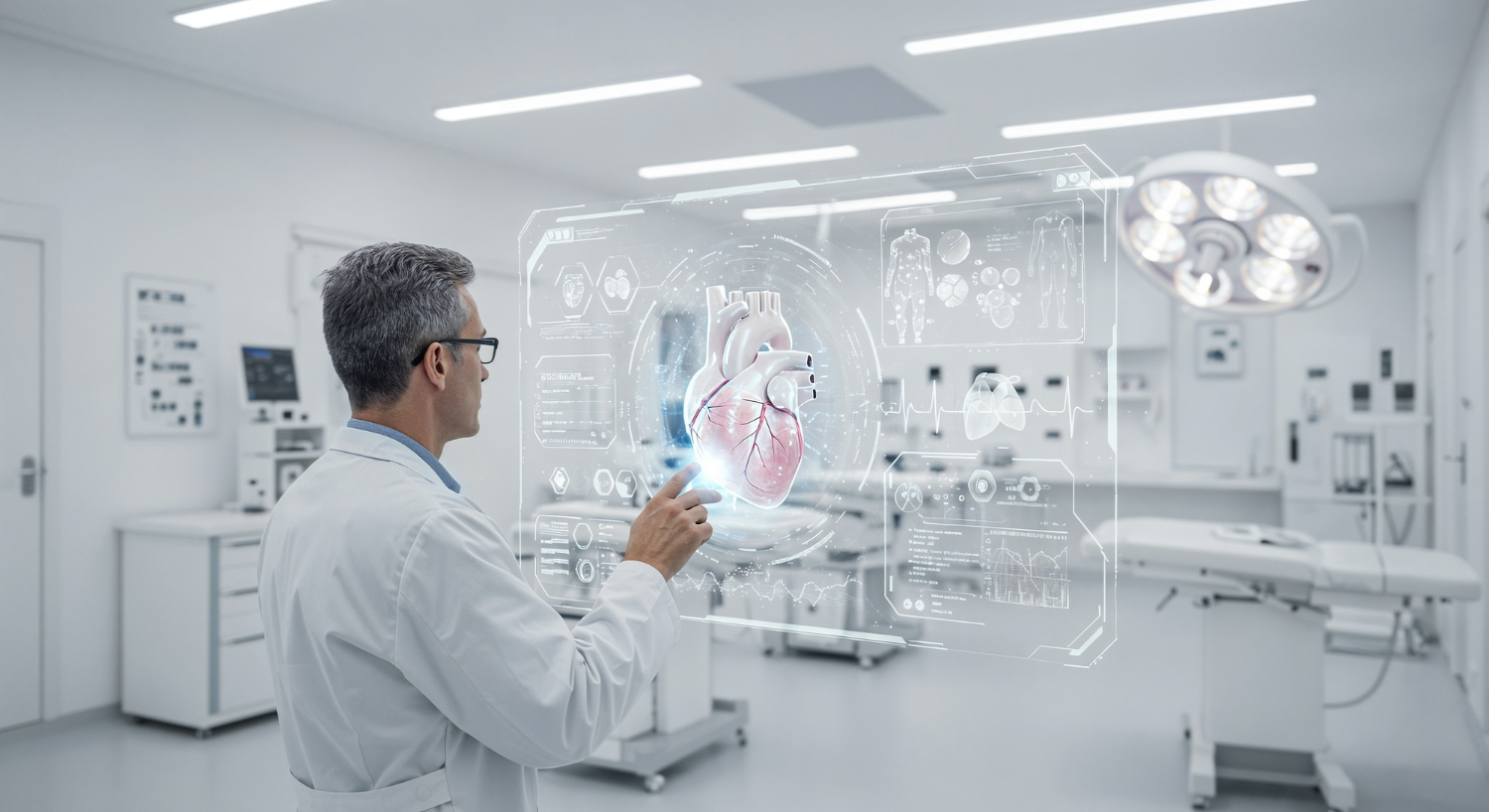
End-to-end development of mobile, web, and cross-platform healthcare apps—EHR, telemedicine, patient portals, and wellness applications—compliant with HIPAA, HL7, and GDPR standards.
2. AI-Powered Healthcare Solutions
3. Healthcare Systems Integration & Interoperability
4. Remote Patient Monitoring & Telehealth Platforms
5. Healthcare Data Analytics & Security
Healthcare Application We Build
We streamline workflows so clinicians can focus on patients, not paperwork.
24/7 Virtual Care:
Telehealth, e-triage, and AI chat for instant guidance.
Personalized Care Plans:
Chronic disease management with reminders and nudges.
Health Data Access:
Secure lab results, imaging, and wearable integrations.
Multilingual & Accessible:
WCAG 2.2 AA, voice-enabled navigation, high-contrast modes.
20%+
higher care-plan adherence, 15–25% fewer no-shows.
Case Studies
PepsiCo – Smart Beverage Experience
Stats

PepsiCo – Smart Beverage Experience

Coldplay + SAP - Greener Tours with AR & Blockchain
Stats
Coldplay + SAP - Greener Tours with AR & Blockchain

BMW - Immersive AR Taxi App Suite
Stats
BMW - Immersive AR Taxi App Suite
Predictive AI for Network Optimization
Stats
Predictive AI for Network Optimization

Recruitment.AI – Smart, Scalable Hiring
Stats
Recruitment.AI – Smart, Scalable Hiring
PepsiCo – Smart Beverage Experience
Benefits
Coldplay + SAP - Greener Tours with AR & Blockchain
Benefits
BMW - Immersive AR Taxi App Suite
Benefits
Predictive AI for Network Optimization
Benefits
Recruitment.AI – Smart, Scalable Hiring
Benefits
Technology Integration Powering Your Healthcare Solutions
Through our mHealth software development expertise, we integrate a full spectrum of advanced technologies into your healthcare ecosystem, ensuring every solution is intelligent, interoperable and future-proof.

Artificial Intelligence (AI) & Generative AI
Conversational AI chatbots for two-way communication with patients—handling appointment scheduling, answering FAQs, sharing test results, and enabling 24/7 support.

Internet of Medical Things (IoMT)
Connect wearables, remote monitoring devices, and bedside equipment with hospital systems for live patient metrics and automated alerts.

Machine Learning & Predictive Analytics
Analyze historical and real-time patient data to forecast disease risks, track treatment outcomes, and support value-based care.

Robotic Process Automation (RPA)
Sync RPA bots with billing systems, appointment portals, and insurance databases to eliminate manual data entry and reduce processing time.

Data Analytics & Visualization
Leverage advanced analytics platforms to uncover trends, optimize resource allocation, and improve patient care delivery through real-time dashboards and KPI tracking.

AR/VR & Mixed Reality
Link immersive training tools with LMS platforms and surgical planning software for simulation-based skill enhancement.

Blockchain
Integrate blockchain layers for tamper-proof health records, physician credential verification, and transparent drug supply tracking.

Cloud & Edge Computing
Enable scalable, HIPAA-compliant storage with edge processing for instant analysis at the point of care.

Natural Language Processing (NLP)
Integrate NLP engines with EHRs to convert physician dictations, lab reports, and patient messages into structured, searchable data.

Interoperability Frameworks
Ensure seamless data exchange between disparate hospital networks, labs, and patient apps for unified health records.
The Specialized HealthTech App Development Stack
We leverage secure frameworks, healthcare-specific integrations, and compliance standards (HIPAA, GDPR, FHIR, HL7) to build scalable, future-ready mHealth apps. Our tech stack ensures interoperability, real-time patient data processing, and innovative healthcare solutions.

Node.js
Python

.NET
Java
Transform healthcare with
future-ready software solutions.
Frequently Asked Questions
How is digital transformation reshaping the healthcare industry in 2026?
Digital transformation in healthcare is driven by AI, IoT, cloud computing, and telehealth platforms that improve patient outcomes, automate operations, and enable secure data interoperability. Hospitals are adopting AI diagnostics, predictive analytics, and remote patient monitoring for smarter, data-driven care.
What are Healthcare IT and Software Development Services?
Healthcare IT services involve developing software systems like Electronic Health Records (EHRs), Hospital Management Systems (HMS), Telemedicine platforms, AI diagnostics tools, and patient engagement apps. These solutions enhance efficiency, reduce errors, and ensure regulatory compliance.
What are the key technology trends shaping healthcare in 2026?
- AI & ML for clinical decision support
- Remote patient monitoring (RPM) and wearable integration
- Telehealth and virtual care expansion
- Blockchain for medical data security
- Interoperability via FHIR APIs
- Edge AI in medical devices
- Predictive analytics for population health
- Digital twins for patient simulations
How does AI improve healthcare delivery and diagnostics?
AI analyzes medical images, lab results, and clinical data to detect diseases earlier and recommend personalized treatments. From radiology and oncology to cardiology and pathology, AI tools support doctors with high-accuracy predictions and automated reporting.
What are the benefits of IoT in healthcare?
IoT connects medical devices, wearables, and sensors for real-time health tracking, remote patient monitoring, and early alerts. IoT-powered healthcare enables data-driven insights, proactive intervention, and improved patient engagement.
How does Programming.com ensure data privacy and HIPAA compliance?
We design healthcare software aligned with HIPAA, GDPR, HITECH, and ISO 27001 standards. All patient data is encrypted, access-controlled, and audited continuously to ensure full security, compliance, and trust in digital healthcare solutions.
What role does cloud computing play in healthcare modernization?
Cloud technology enables secure, scalable data storage, telehealth infrastructure, and AI model deployment. It helps healthcare organizations manage large datasets, enable interoperability, and reduce IT overhead through pay-as-you-go flexibility.
What are common healthcare solutions developed by Programming.com?
- Electronic Health Record (EHR) systems
- Telemedicine & virtual consultation platforms
- AI-driven diagnostic tools
- IoT-connected patient monitoring apps
- Hospital Management Systems (HMS)
- Health data analytics dashboards
- Pharmacy & laboratory management solutions
- Appointment scheduling and patient portals
How is blockchain technology used in healthcare?
Blockchain ensures secure, transparent medical data sharing among hospitals, insurers, and labs. It creates immutable records of patient interactions, enhances data integrity, and simplifies claims processing and clinical research consent management.
How can healthcare providers get started with digital transformation?
Start by identifying operational inefficiencies or data silos, then implement a roadmap that includes EHR modernization, AI-powered automation, and IoT integration. Partnering with Programming.com ensures scalable solutions that meet compliance, interoperability, and patient engagement goals.
What challenges does healthcare software development face?
Major challenges include data privacy, system interoperability, legacy modernization, regulatory complexity, and user adoption. Overcoming them requires domain expertise, secure architectures, and user-centric design principles.
What’s next for healthcare technology beyond 2026?
The next wave of innovation includes AI copilots for clinicians, predictive public health systems, digital twins for personalized medicine, AR/VR medical training, and autonomous health monitoring devices — creating a fully connected care ecosystem.