
We deliver enterprise software development solutions—ERP, CRM, SaaS, and cloud-native platforms that are custom-built, compliant and ready for global growth.













The Growing Demand for Enterprise Software Development

Enterprises worldwide are accelerating digital transformation and enterprise software development sits at the core of this shift. The market signals are clear
$610B+
Global enterprise software spending is projected to exceed $610 billion in 2025.
89%
Nearly nine out of ten enterprises now rely on cloud-native technologies for scalability and resilience.
2.5x ROI
Enterprises that modernize legacy systems see 2.5x higher ROI within three years.
74%
of enterprises are integrating AI, automation and advanced analytics into their software platforms.
Enterprises worldwide are accelerating digital transformation and enterprise software development sits at the core of this shift. The market signals are clear
Our Enterprise Software Development Services
We deliver full-cycle enterprise software development services that help organizations modernize, scale and innovate with confidence. From CRM platforms to ERP systems and mobility management our solutions are built to match complex enterprise needs.
01
Custom Enterprise Software Development
End-to-end design and development of enterprise-grade applications tailored to unique business processes, compliance needs and industry workflows.
02
Enterprise CRM Development & Customization
Build and customize CRMs that align with enterprise sales cycles, customer engagement and reporting needs for improved visibility and retention.
03
Salesforce Platform Integration
Certified Salesforce experts to integrate, customize and optimize Salesforce solutions across sales, service and marketing functions.
04
Enterprise Resource Planning (ERP) Development
Build cloud-first, intelligent digital products. Using micro-services, DevSecOps pipelines and AI accelerators, we develop modular, secure and evolving applications at scale.
05
Supply Chain Management (SCM) Software Development
Intelligent supply chain platforms with real-time visibility, demand forecasting and IoT-enabled logistics optimization.
06
Enterprise Mobility Management (EMM)
Secure and manage enterprise devices, apps, and data to enable BYOD, hybrid workforces, and compliance-driven mobile strategies.
07
Custom API Development & Integration for Enterprises
Build and integrate enterprise APIs and middleware to connect CRMs, ERPs, HRMS, analytics and third-party platforms seamlessly.
08
Data Management & Business Intelligence
Centralize, clean, and transform enterprise data pipelines with analytics dashboards, predictive insights and compliance reporting.
09
Digital Transformation Solutions
Modernize legacy platforms, migrate to cloud-native systems and integrate next-gen technologies like AI, IoT, and blockchain.
10
Application Support & Managed Services
End-to-end managed application services, including monitoring, bug resolution, security updates, and long-term performance optimization.
Models for Enterprise Software Development
Build–Operate–Transfer (BOT)
We set up your offshore/nearshore development center, run operations, & then transfer full ownership to you once the team is stable. Perfect for startups planning long-term in-house tech capability.
Build–Operate–Manage (BOM)
Similar to BOT, but instead of transferring, we continue managing your development center for you — combining cost efficiency with ongoing Programming.com expertise.
Dedicated Development Team
A handpicked, scalable team of engineers, QA specialists, and designers working exclusively on your project. Ideal for startups who want full focus and faster delivery without hiring overhead.
Team Extension
Add on-demand specialists to support your in-house team with niche skills or faster execution. Great for handling spikes in workload or filling expertise gaps.
Time & Material (T&M)
Flexible model where you pay for actual time and effort. Best for evolving projects or startups still refining requirements.
Fixed Price
Clear scope, fixed timelines, and predictable budgets. Works well for MVPs or projects with well-defined deliverables.
Certifications & Cloud Partnerships
Our global certifications and partnerships reflect our commitment to quality, security, and trusted IoT development services.

ISO 9001
ISO 27001

AWS Partner
Microsoft Azure Partner

Google Cloud
Case Studies
Programming.com has delivered enterprise software solutions for Fortune 500s and global organizations, helping them modernize legacy systems, build ERP/CRM platforms and integrate AI to achieve scalability and cost efficiency.
PepsiCo – Smart Beverage Experience
Benefits

PepsiCo – Smart Beverage Experience

Coldplay + SAP - Greener Tours with AR & Blockchain
Benefits
Coldplay + SAP - Greener Tours with AR & Blockchain

BMW - Immersive AR Taxi App Suite
Benefits
BMW - Immersive AR Taxi App Suite
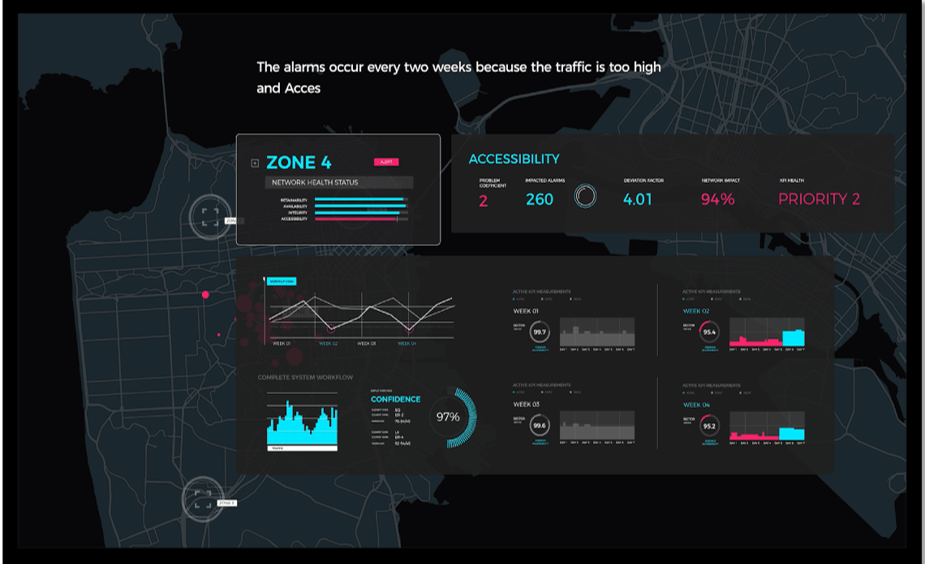
Predictive AI for Network Optimization
Benefits
Predictive AI for Network Optimization

Recruitment.AI – Smart, Scalable Hiring
Benefits
Recruitment.AI – Smart, Scalable Hiring
PepsiCo – Smart Beverage Experience
Benefits
Coldplay + SAP - Greener Tours with AR & Blockchain
Benefits
BMW - Immersive AR Taxi App Suite
Benefits
Predictive AI for Network Optimization
Benefits
Recruitment.AI – Smart, Scalable Hiring
Benefits
Industries We Empower with
Custom Startup Software Development
We partner with startups across diverse industries, building solutions that combine domain expertise with cutting-edge technology.
Why Choose Programming.com for Startup Software Development?
01 Proven Enterprise Expertise
Decades of experience delivering mission-critical ERP, CRM, SaaS and custom enterprise platforms.
02 Security & Compliance at the Core
Built-in governance aligned with GDPR, HIPAA, SOC2 and industry-specific standards.
03 Global Delivery, Local Presence
2,000+ engineers across regions ensure scalable capacity with local alignment.
04 Agile & Scalable Delivery Models
From BOT to Dedicated Teams, we adapt engagement models to enterprise requirements.
05 Innovation with Next-Gen Tech
AI, Blockchain, IoT, Cloud and AR/VR integrated to keep enterprises future-ready.
06 End-to-End Ownership
From consulting and architecture to development, integration and support, we cover the full lifecycle
Technology Stack for Startup App Development
We leverage modern, enterprise-ready technologies to build secure, scalable and future-proof solutions.

React

Flutter

Swift

Kotlin
React
Flutter
Swift
Kotlin
Our Enterprise Software Development Process


Discovery & Planning
Define business goals, compliance needs, and technology roadmap with key stakeholders.
Architecture & Design
Create scalable system architecture and intuitive UI/UX tailored for enterprise users.
Agile Development
Build core modules with CI/CD pipelines, ensuring speed and reliability.
Integration & Customization
Connect ERP, CRM and third-party systems with custom APIs and middleware.
Testing & Compliance Assurance
Conduct functional, performance and security testing aligned with enterprise standards.
Deployment & Ongoing Support
Seamless rollout with 24/7 monitoring, maintenance and continuous improvement.
Build Today. Scale Tomorrow.
Sustain for the Future.
Frequently Asked Questions
What are Enterprise Software Development Services?
Enterprise software development services involve building large-scale, secure, and integrated systems that manage complex business operations. These include ERP, CRM, HRMS, CMS, SCM, and custom platforms that streamline workflows, improve collaboration, and support data-driven decisions across departments.
What types of enterprise applications are most common in 2026?
- ERP (Enterprise Resource Planning): Unifies finance, supply chain, HR, and operations.
- CRM (Customer Relationship Management): Manages customer data and interactions.
- HRMS (Human Resource Management System): Automates recruitment, payroll, and workforce analytics.
- CMS (Content Management System): Simplifies web and intranet content control.
- SCM (Supply Chain Management): Optimizes logistics, procurement, and vendor operations.
- BI & Analytics Systems: Deliver real-time performance insights.
How does enterprise software differ from regular business apps?
Enterprise software is scalable, modular, secure, and integration-ready, designed to handle high user volumes, multi-departmental data, and mission-critical workflows. Unlike small apps, it connects multiple systems, databases, and APIs under one ecosystem.
What are the latest trends in enterprise software development for 2026?
- AI-driven process automation (Intelligent ERP & HRMS)
- Composable architecture and microservices
- Cloud-native and hybrid deployments
- Low-code / no-code enterprise platforms
- Data governance and observability tools
- Integration of blockchain for auditability
- Sustainability analytics in ERP systems
How is AI reshaping enterprise software development?
AI enhances enterprise systems through predictive analytics, intelligent assistants, anomaly detection, and automated workflows. For example, AI-enabled ERP forecasts demand, AI HRMS predicts attrition, and AI CMS personalizes content for users in real time.
How do enterprise systems ensure security and compliance?
Security is achieved through role-based access control, zero-trust design, encryption, MFA, and regular vulnerability testing. Programming.com builds systems compliant with ISO 27001, SOC 2, GDPR, HIPAA, and CCPA, ensuring enterprise-grade protection and governance.
How does cloud computing support enterprise application modernization?
Cloud platforms (AWS, Azure, GCP) enable on-demand scalability, continuous integration (CI/CD), and cost optimization. Enterprises increasingly migrate legacy ERP or HRMS systems to cloud-native environments for flexibility and resilience.
What’s the difference between on-premise and cloud-based enterprise software?
On-premise solutions are hosted internally, offering full control but higher maintenance costs. Cloud-based software provides elasticity, faster updates, and global accessibility — making it the preferred model for digital-first enterprises in 2025.
What are the key benefits of custom enterprise software development?
- Tailored to specific business processes
- Full integration with existing systems (ERP, CRM, BI)
- Enhanced scalability and flexibility
- Reduced dependency on third-party vendors
- Stronger data ownership and compliance control
How long does enterprise software development typically take?
Development duration depends on complexity, modules, and integrations. Phased agile delivery ensures early value realization through MVP modules (e.g., finance first, then HR), allowing enterprises to scale functionality gradually without disrupting operations.
How do ERP and CRM systems integrate with other enterprise tools?
ERP and CRM integrate through APIs, middleware, and iPaaS platforms to sync data with analytics, HRMS, CMS, and eCommerce systems. This ensures real-time information flow across departments, improving collaboration and decision-making.
What’s the future of enterprise software beyond 2026?
The future lies in AI-first, composable, and autonomous enterprise systems — blending digital twins, predictive analytics, and process mining for continuous optimization. Expect self-adaptive ERPs, AI copilots for executives, and hyperconnected enterprise ecosystems.